Boxing-2 Lightbox: A Versatile Design Solution for Creative Projects
The Boxing-2 Lightbox is a digital design template that offers a range of file formats, including ZIP, SVG, JPG, PDF, DXF, CDR, AI, and a tutorial instruction text. It includes 5 layers of design files, each measuring 8×8 inches or 21×21 cm, making it ideal for printing and assembling custom lightboxes. This resource provides a structured approach to creating visually engaging displays, suitable for both hobbyists and professionals looking to explore creative projects.
What Makes Boxing-2 Lightbox Unique?
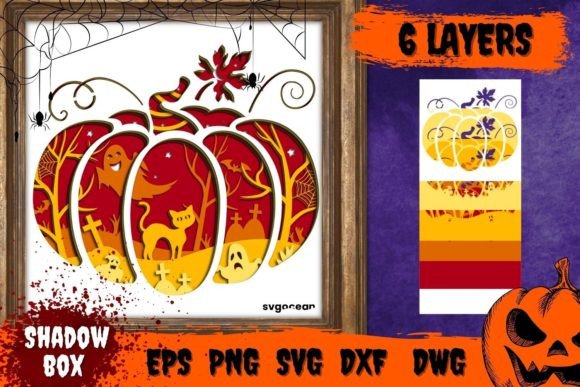
Unlike many generic design templates, the Boxing-2 Lightbox is designed with specific dimensions and layering in mind. The inclusion of multiple layers allows for depth and dimension in the final product, which can enhance visual appeal. Each layer is tailored to fit within an 8×8 inch or 21×21 cm space, ensuring compatibility with standard printing and cutting tools.
The variety of file formats included makes the template accessible across different software platforms. SVG files are ideal for scalable vector graphics, while JPG and PDF files offer flexibility for quick editing and sharing. DXF and CDR files cater to users working with design and illustration software, and AI files support Adobe Illustrator users. This diversity ensures that creators can work with their preferred tools without limitations.
Comparing Boxing-2 Lightbox with Other Options
When considering alternatives to the Boxing-2 Lightbox, it's important to evaluate how different design templates meet specific needs. Some options may offer similar dimensions but lack the layered structure or file format versatility found in the Boxing-2 Lightbox. Others may provide more customization but require advanced technical skills or additional software.
For example, some lightbox templates focus on single-layer designs, which can limit the complexity of the final display. While these may be easier to produce, they often lack the depth and visual interest that layered designs can provide. The Boxing-2 Lightbox’s multi-layer approach can be particularly beneficial for those looking to create more intricate and dynamic presentations.
Another consideration is the availability of instructional materials. While some templates come with minimal guidance, the Boxing-2 Lightbox includes a tutorial instruction file, which can be helpful for users who are new to the process. This feature reduces the learning curve and increases the likelihood of successful project completion.
Strengths and Tradeoffs of Using Boxing-2 Lightbox
The primary strength of the Boxing-2 Lightbox lies in its comprehensive file set and structured design. The ability to work with multiple layers allows for greater creativity and precision in the final product. Additionally, the inclusion of various file formats ensures compatibility with a wide range of design and production tools.
However, there are tradeoffs to consider. The need for specific materials such as a printer, art knife or cutting machine, paper (200–250 gsm), foam board, a shadow box, and an RGB LED strip with power supply may be a barrier for some users. These requirements add to the overall cost and complexity of the project, which may not be ideal for those seeking a simpler or more budget-friendly option.
Furthermore, while the tutorial instruction file provides guidance, it may not cover all potential issues or variations in user setups. Creators may need to troubleshoot certain aspects independently, which could be time-consuming for those unfamiliar with the process.
Best-Fit Situations for Boxing-2 Lightbox
The Boxing-2 Lightbox is well-suited for individuals who are looking to create detailed and professional-looking lightboxes for exhibitions, retail displays, or personal projects. Its layered design and high-quality file formats make it a good choice for those who want to achieve a polished result without starting from scratch.
This template is also beneficial for educators or workshop leaders who want to demonstrate design principles and production techniques. The structured approach can help students understand the relationship between digital design and physical output, making it a valuable educational tool.
For artists and designers, the Boxing-2 Lightbox offers a foundation for experimentation. By modifying the layers or combining them with other elements, users can create unique and personalized pieces that reflect their creative vision.
When Another Option Might Be Better
While the Boxing-2 Lightbox has many advantages, it may not be the best choice for every situation. For instance, if a user is looking for a quick and simple project with minimal setup, a single-layer or pre-designed template might be more appropriate. These options often require fewer materials and less technical expertise, making them accessible to a broader audience.
Additionally, users who do not have access to a laser cutter or art knife may find the process of assembling the lightbox challenging. In such cases, alternative methods or pre-made components could be more practical. Similarly, those who prefer a more hands-on or traditional approach may opt for manual construction techniques rather than relying on digital templates.
It’s also worth noting that the cost of materials and equipment should be factored into the decision-making process. While the digital template itself may be affordable, the associated expenses can add up, especially for those on a tight budget.
Practical Examples and Use Cases
One practical use case for the Boxing-2 Lightbox is in the creation of custom photo displays for events or galleries. The layered design allows for the placement of images at different depths, creating a three-dimensional effect that can draw attention and enhance the visual impact of the presentation.
Another example is in retail environments, where businesses may use the template to design eye-catching window displays. The ability to incorporate LED lighting adds a modern and dynamic element, which can attract customers and improve brand visibility.
For educational purposes, the Boxing-2 Lightbox can be used in art classes or design workshops to teach students about layout, composition, and material selection. The step-by-step tutorial helps guide the learning process, making it easier for students to grasp key concepts and apply them in practice.